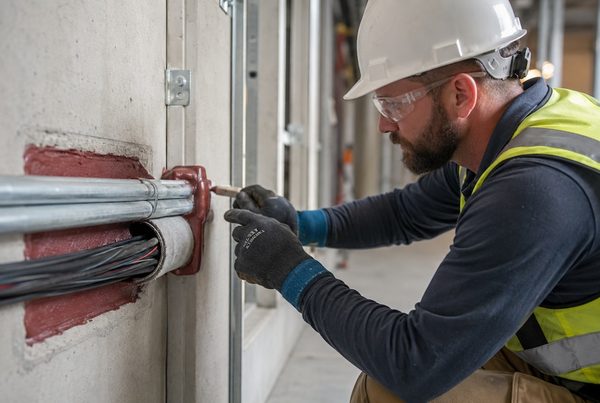
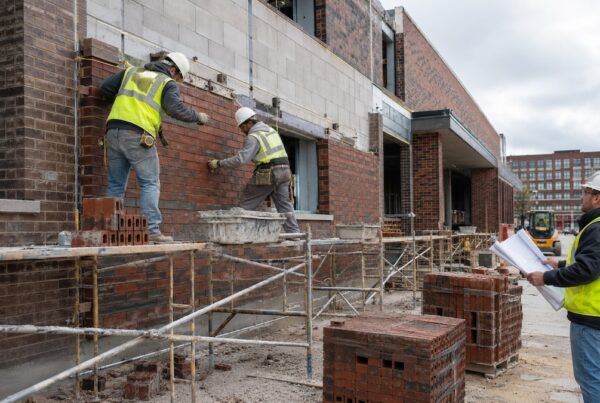
In commercial construction, masonry plays a vital role in building strong, long-lasting structures. Whether it’s office buildings, retail centers, or industrial facilities, materials like clay bricks and concrete blocks are widely used because of their strength and reliability. But what truly holds these materials together is mortar.
Over time, mortar joints can weaken due to exposure to weather, moisture, and temperature changes. This is where brick pointing becomes essential.
Brick pointing helps maintain the durability, weather resistance, and structural integrity of a building. It also improves waterproofing and keeps the facade looking clean and professional. In simple terms, it’s a small process that delivers a big impact on the performance of commercial buildings.
What Is Brick Pointing?
Definition of Brick Pointing
Brick pointing is the process of finishing or repairing the mortar joints between bricks or blocks. These joints are crucial because they bind the entire structure together.
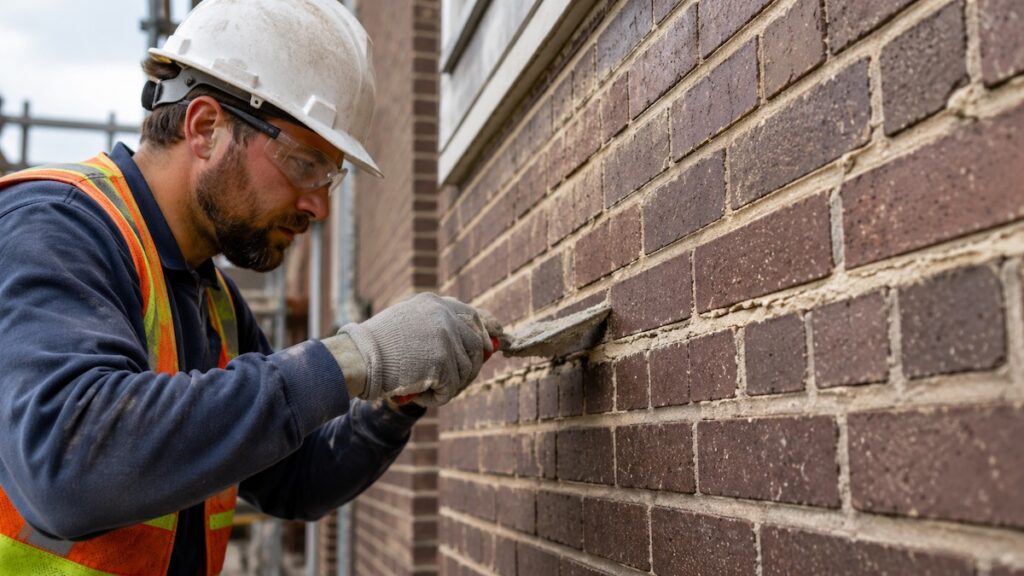
In new construction, pointing is done as part of the finishing stage. In existing buildings, it becomes part of masonry repair when the mortar begins to crack or deteriorate.
Without proper maintenance, even a strong load-bearing wall or a CMU wall can lose its stability over time.
Brick Pointing vs Repointing vs Tuck Pointing
These terms are often confused, but they serve different purposes:
- Brick pointing refers to finishing mortar joints during construction
- Repointing involves removing damaged mortar and replacing it with fresh material
- Tuck pointing is a more decorative method used to improve the appearance of joints
All of these techniques play a role in maintaining the facade and supporting long-term performance.
Why Brick Pointing Is Important in Commercial Construction
Structural Integrity and Strength
Mortar joints are responsible for distributing loads across masonry structures. When they weaken, the entire system becomes vulnerable.
Brick pointing restores these joints and helps maintain the structural integrity of the building, especially in critical areas like load-bearing walls.
Waterproofing and Weather Resistance
One of the biggest risks in commercial buildings is water infiltration. Damaged mortar creates openings where moisture can enter.
Proper brick pointing improves waterproofing and enhances weather resistance, protecting the building from issues like leaks, mold, and freeze-thaw damage.
Durability and Long-Term Performance
Well-maintained mortar joints extend the life of masonry structures. Instead of replacing entire sections of brickwork, pointing allows you to preserve the existing structure while improving durability.
Aesthetic Appeal of the Facade
The facade of a commercial building plays a major role in how it is perceived. Clean, uniform mortar joints create a polished and professional appearance, which is important for attracting tenants, customers, and investors.
Common Types of Brick Pointing Styles
Different pointing styles affect both the appearance and performance of a building.
Flush Pointing
This style finishes the mortar level with the brick surface. It is simple, clean, and commonly used in commercial construction.
Recessed Pointing
In this style, the mortar is set slightly back from the brick face. It creates depth and a modern look but requires proper maintenance to avoid water retention.
Weathered Pointing
Weathered pointing has a slight slope that helps direct water away from the wall. It is highly effective in improving weather resistance.
Struck Pointing
Similar to weathered pointing, this style has a sharper angle that enhances drainage and gives a defined finish.
V-Groove Pointing
This style uses a pointing tool to create a V-shaped groove in the mortar. It offers a decorative and precise appearance.
Tuck Pointing
Tuck pointing is used to create the illusion of perfectly uniform joints. It is often chosen for high-end commercial facades.
Materials Used in Brick Pointing
Types of Mortar
Mortar is typically made using a combination of cement, lime, and sand. Each component plays a specific role:
- Cement provides strength
- Lime mortar adds flexibility
- Sand helps with bonding and structure
Importance of Material Compatibility
Choosing the right mortar mix is critical. If the mortar is too strong, it can damage softer clay bricks. If it’s too weak, it won’t hold properly.
Matching the mortar to the building’s materials ensures better durability and long-term performance.
Tools and Equipment Used in Brick Pointing
Brick pointing requires specific tools to ensure precision and consistency:
- A trowel is used to apply and spread mortar
- A pointing tool shapes and finishes the joints
- A joint rake is used during repointing to remove old mortar
- A masonry brush helps clean the surface before and after application
Using the right tools ensures a clean finish and strong bonding.
The Brick Pointing Process Step-by-Step
Inspection and Assessment
The process begins with a thorough inspection to identify damaged areas and determine the extent of masonry repair needed.
Removing Old Mortar
In repointing projects, deteriorated mortar is removed carefully using tools like a joint raker.
Surface Preparation
The joints are cleaned using a masonry brush to remove dust and debris, ensuring proper adhesion.
Applying New Mortar
Fresh mortar is applied using a trowel and packed firmly into the joints.
Finishing and Curing
The mortar is shaped using a pointing tool and allowed to cure properly, which is essential for strength and durability.
Signs Your Commercial Building Needs Brick Pointing
Several warning signs indicate the need for brick pointing:
- Cracked or crumbling mortar
- Gaps between bricks
- Water stains or leaks inside the building
- Loose bricks in the brickwork
- Visible wear on the facade
Addressing these issues early helps prevent more serious structural problems.
Benefits of Regular Brick Pointing Maintenance
Prevents Expensive Repairs
Routine maintenance helps catch small issues before they turn into major problems that require costly repairs.
Improves Energy Efficiency
Sealed mortar joints reduce air leakage, helping maintain indoor temperatures and lower energy costs.
Enhances Safety
Strong mortar joints reduce the risk of falling bricks and structural hazards.
Maintains Property Value
A well-maintained facade improves the overall value and appeal of commercial properties.
Challenges in Commercial Brick Pointing Projects
Commercial projects often involve unique challenges such as:
- Large-scale construction structures
- Height and access issues that may require scaffolding or shoring
- Difficulty in matching existing mortar color and texture
- Weather conditions that affect curing
These factors make professional expertise essential for successful results.
Cost of Brick Pointing in Commercial Construction
Factors Affecting Cost
The cost of brick pointing depends on several factors:
- Size of the building
- Extent of damage and repair required
- Accessibility and height
- Type of materials used
Is Brick Pointing Worth the Investment?
Yes. Compared to replacing entire walls, brick pointing is a cost-effective way to improve durability, waterproofing, and overall building performance.
Brick Pointing vs Other Masonry Maintenance Techniques
Brick pointing is often compared to other maintenance methods:
- Sealing protects the surface but does not repair damaged mortar
- Facade restoration may include pointing, along with other repairs
- Full replacement is more expensive and time-consuming
In most cases, brick pointing or repointing is the most practical solution.
Related Reading – Efflorescence on Brick: Causes, Prevention & Removal Tips
Frequently Asked Questions (FAQs)
What is the purpose of brick pointing?
It strengthens mortar joints, improves waterproofing, and supports the structural integrity of the building.
How often should brick pointing be done?
It is typically required every 20 to 30 years, depending on environmental conditions.
How long does brick pointing last?
With proper materials and workmanship, it can last several decades.
Can damaged mortar cause structural issues?
Yes, deteriorated mortar can weaken load-bearing walls and lead to serious safety concerns.
Is brick pointing needed for CMU walls?
Yes, mortar joints in CMU walls also require maintenance to ensure long-term performance.
Conclusion
Brick pointing is a critical part of maintaining commercial masonry structures. It helps protect buildings from water damage, improves durability, and ensures long-term structural performance. While it may seem like a minor detail, it plays a major role in preserving the strength and appearance of brickwork and concrete block systems.
At Leidal & Hart, we approach every project with a deep understanding of commercial construction and masonry systems. From brickwork and CMU walls to full facade restoration and crack repair, our team focuses on delivering long-lasting results through precise and reliable workmanship.
If your building is showing signs of ageing mortar or needs professional masonry repair, working with an experienced team ensures the job is done right. At Leidal & Hart, we focus on protecting your structure today so it continues to perform for years to come.