Cladding is one of the most important elements in modern commercial construction, yet many project owners and building managers often overlook its true value. Beyond appearance, cladding plays a critical role in how long a building lasts, how well it withstands weather, how energy efficient it becomes, and how people perceive it.
In simple terms, cladding is the protective outer layer attached to the exterior of a commercial building, but in practice, it does much more. It acts as the building’s shield—preventing damage, improving performance, and elevating aesthetics.
This guide explains the meaning of cladding in construction, why it is essential for commercial projects, and how it enhances both protection and design.
What Is Cladding in Construction?
Cladding refers to external layers added to a building’s structure to provide protection, insulation, and architectural appeal. It is not structural, but it plays a vital role in overall building performance.
Why It Matters
It extends the building’s lifespan, improves energy efficiency, provides weather resistance, reduces maintenance, and allows architects to customize the building’s appearance.
Types of Cladding Used in Commercial Buildings
Different materials offer different advantages. Here are the most widely used options in commercial construction.
Metal Cladding (Steel, Aluminum & ACP)
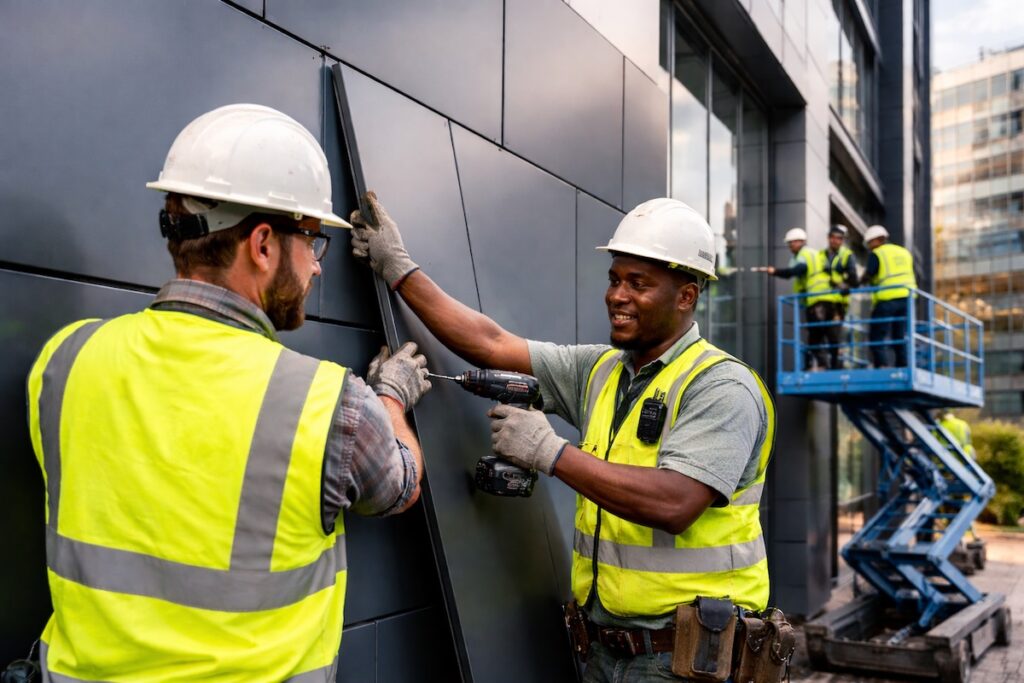
Metal cladding is durable, corrosion-resistant, and commonly used in offices, malls, and industrial facilities. Aluminum composite panels (ACP) create sleek, modern façades.
Stone Cladding
Granite, marble, and sandstone provide a premium finish and long-lasting durability, making them ideal for high-end commercial projects.
Brick Cladding / Masonry Veneer
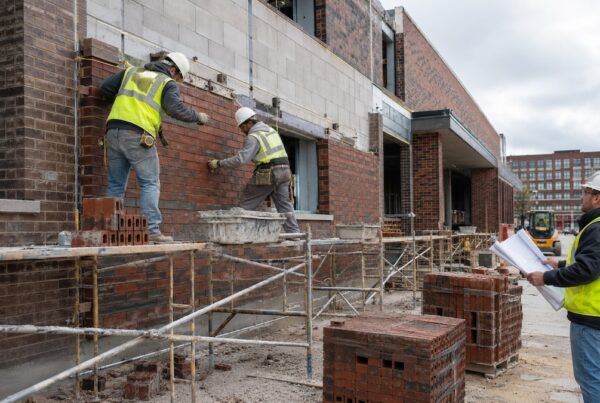
Known for classic style, excellent insulation, and low maintenance, brick cladding or masonry veneer is perfect for commercial buildings seeking a traditional yet durable exterior.
Glass Cladding / Curtain Wall Systems
Common in corporate towers and high-rises, glass cladding enhances natural light and creates a clean, modern look.
Wood & Timber Cladding
Wood offers warmth and character, often used in boutique commercial spaces, though it requires more maintenance.
Vinyl and PVC Cladding
A cost-effective, low-maintenance choice that resists moisture and comes in many styles and colors.
Fiber Cement Cladding
Provides fire resistance, durability, and customizable textures, making it a popular choice for modern commercial buildings.
EIFS (Exterior Insulation and Finishing System)
A lightweight system offering excellent insulation and a variety of finish options, commonly used in shopping centers and office parks.
How Cladding Protects Commercial Buildings
Cladding provides multiple levels of protection, making buildings safer and more efficient.
Moisture and Water Defense
Cladding prevents water infiltration and protects the building from mold, rot, and corrosion.
Thermal Insulation
Insulated cladding systems help reduce energy consumption, maintain stable indoor temperatures, and improve HVAC performance.
Fire Resistance
Many cladding materials—fiber cement, metal, stone—offer strong fire-resistant properties that enhance building safety.
Weather and UV Protection
Cladding shields buildings from UV exposure, rain, wind, snow, and pollution, preventing long-term damage.
Noise Reduction
Cladding helps block noise from traffic, airports, and busy streets, improving occupant comfort.
Impact and Corrosion Resistance
Cladding prevents deterioration from dust, salt, pollution, and accidental impacts, especially in commercial and industrial environments.
How Cladding Enhances Commercial Buildings
Beyond protection, cladding dramatically elevates a building’s functionality and appearance.
Modern and Attractive Appearance
Cladding gives commercial buildings a contemporary, polished look that appeals to tenants, customers, and visitors.
Branding and Customization
Materials can be chosen to reflect a brand’s identity through custom colors, textures, and panel layouts.
Improved Customer Appeal
A clean, attractive exterior boosts customer trust and enhances the commercial presence of retail and corporate spaces.
Higher Property Value
Cladding increases building value by improving performance and reducing long-term maintenance.
Low Maintenance
Cladding reduces direct exposure to weather, lowering the need for painting, repairs, and cleaning.
Key Components of a Cladding System
A complete cladding system includes:
- Exterior panels
- Insulation layer
- Rainscreen/air gap
- Framework or fasteners
- Vapor barriers
These elements work together to protect the building and improve performance.
How Cladding Is Installed
The installation process typically includes:
- Assessing the site and selecting the right material
- Preparing the exterior surface
- Installing framework or channels
- Fixing cladding panels
- Applying sealants and waterproofing
- Conducting final inspections
Proper installation ensures longevity and prevents issues like leaks or drafts.
Maintenance Requirements
Although cladding is low maintenance, routine care helps maximize performance:
- Regular cleaning
- Inspection of joints, edges, and fasteners
- Replacement of damaged or loose panels
- Renewal of sealants to maintain waterproofing
Cladding vs. Façade: What’s the Difference?
The façade refers to the full exterior of the building, while cladding specifically refers to the protective outer covering applied to the façade. Cladding is a part of the façade system, not the entire façade.
Factors to Consider When Choosing Cladding
Key considerations include:
- Local climate and environmental conditions
- Fire code requirements
- Budget and maintenance needs
- Desired aesthetic outcome
- Expected lifespan of the material
- Energy efficiency goals
Choosing the right cladding can significantly impact building performance and sustainability.
Advantages and Disadvantages of Cladding
Advantages
- Strong weather protection
- Better insulation and energy savings
- Modern aesthetics
- Lower maintenance
- Increased building value
- Long-lasting materials
Disadvantages
- Higher upfront cost than basic finishes
- Needs professional installation
- Some materials require periodic upkeep
Where Cladding Is Commonly Used
Cladding is used across:
- Corporate buildings
- High-rise offices
- Retail centers
- Hotels and hospitality
- Warehouses
- Educational institutions
- Healthcare facilities
Its ability to combine protection, durability, and design versatility makes it a preferred choice in commercial construction.
FAQs
What does cladding mean in simple terms?
It’s a protective outer covering added to a building.
Is cladding waterproof?
Many systems are highly water-resistant when installed correctly.
Which cladding is best for commercial buildings?
Metal, fiber cement, stone, and glass are top choices for durability and appearance.
How long does cladding last?
Depending on material and maintenance, it can last 25 to 60+ years.
Conclusion — From the Team at Leidal & Hart
At Leidal & Hart, we’ve spent decades helping commercial properties protect and elevate their buildings through high-quality cladding and exterior solutions. We understand how much the right cladding system can impact long-term durability, energy efficiency, and overall appearance.
When we work on a project, our focus is simple—deliver a façade that performs flawlessly and looks exceptional for decades. Whether you’re planning a new build, upgrading an existing commercial space, or exploring modern cladding systems for improved energy performance, our team is here to provide expert guidance, material selection support, and professional installation.
If you’re considering a cladding project and want craftsmanship backed by real industry experience, Leidal & Hart is here to ensure your building stands strong, efficient, and visually impressive for years to come.